Routine Inspection: Anchor Inspection
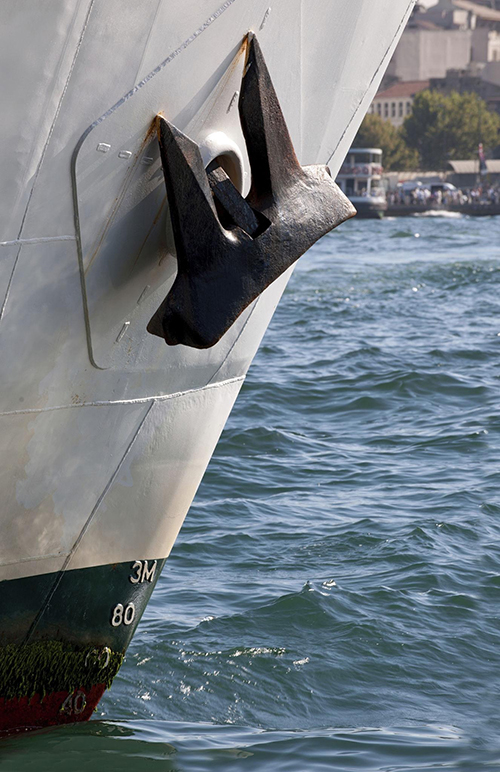
(1) Inspect the wear and deformation of the anchor shackles, and check for loose cross pins. Perform inspection and maintenance accordingly.
(2) Check for bent anchor claws, flexible rotation, and normal angles. Perform inspection and maintenance accordingly.
2. Routine Inspection: Anchor Chain Inspection
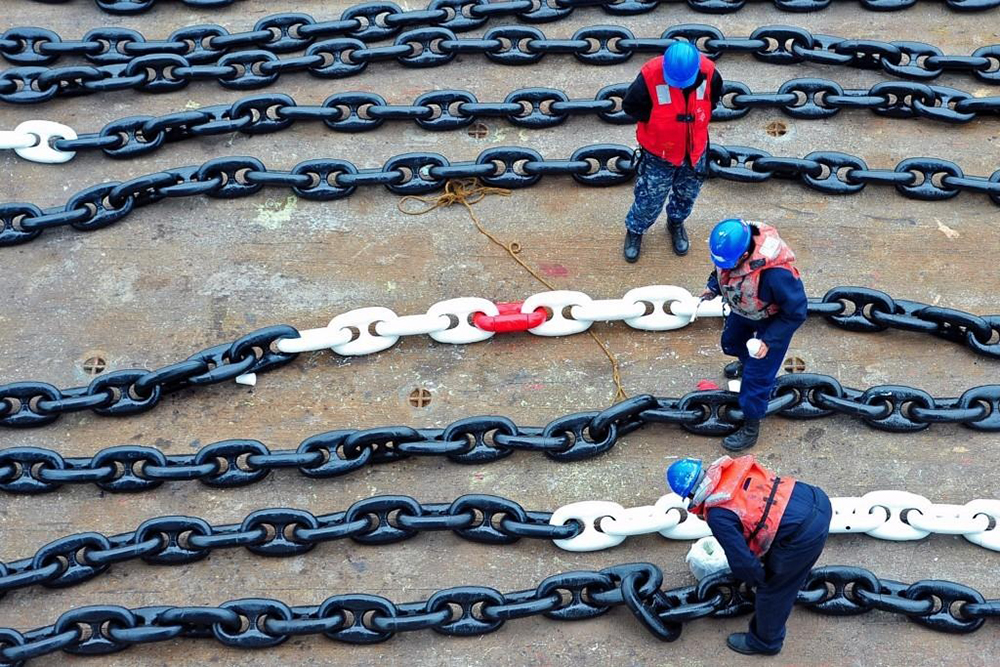
(1) Use the left and right anchors alternately.
(2) Check if the anchor chain markings are clear. Replace any that are missing.
(3) Check if the swivels are flexible and lubricate them as needed.
3. Routine Inspection: Anchor Wrench Inspection
(1) Regularly check that the brakes are in good working order.
(2) Lubricate and test the engine before each use. For steam anchor winches, drain any water from the cylinder until steam is emitted from the drain hole before testing.
(3) Regularly lubricate the clutch to ensure smooth and flexible operation.
(4) Pay attention to the wear of the sprocket teeth and worm gear threads.

4. Routine Inspection
This includes: regularly lubricating the friction surfaces of the chain catcher and applying anti-rust paint to other parts. Regularly checking the tightness of the connection between the base and the deck. Checking the integrity of the handwheel guard on the chain release mechanism. Regularly lubricating rotating parts.
5. Periodic Inspection
Regular inspection and maintenance are crucial for detecting damage to anchoring equipment and should be conducted at least every six months, with records kept. The main inspection items include: cracks, structural loosening, deformation, and wear.
6. Anchor Inspection During Periodic Inspections
The most vulnerable parts of the anchor are the anchor claws, anchor crown, cross pin, and anchor shackle. Anchor claws may bend and crack; the claw prongs are prone to wear; the cross pin is prone to loosening; and the anchor shackle is prone to wear and cracking. According to requirements, anchor pin wear should be within 10% of its original diameter, and anchor weight loss should be within 20% of its original weight. When serious damage occurs or requirements are not met, a spare anchor should be used, and the damaged anchor should be sent to the repair shop.
7. Regular Inspection of Anchor Chains
Conduct wear inspection, crack inspection, deformation inspection, and structural loosening inspection.
(1) Wear Inspection: The wear limit for anchor chains is: for anchor chains of ships in ocean-going areas, the average diameter after wear should not be less than 88% of the original diameter; for anchor chains of ships in coastal and near-shore areas, the average diameter after wear should not be less than 85% of the original diameter. Links or shackles without stops, if worn by more than 8% of their original diameter, should no longer be used.
(2) Deformation Inspection: Visually inspect or measure to check if the link is bent or twisted.
(3) Structural Loosening Inspection: The pins connecting the link (after disassembly and inspection, grease should be applied to the inner fitting area before reassembly) and shackle may loosen due to lead seal detachment; each should be carefully inspected.
(4) Crack Inspection: Tap each link and shackle with a hammer and listen to whether the sound is crisp.
Anchors and anchor chains should be regularly derusted and painted. After each repair and inspection, apply two coats of coal tar pitch paint before marking the anchor chain.
8. Regular Inspection and Maintenance of Anchor Windlass
The brakes should be checked regularly for proper function, and the clutch for smooth and flexible operation. Regular lubrication is essential to ensure proper lubrication. Special attention should be paid to the lubrication of all friction surfaces of the parts. The oil in the gearbox should be checked and changed regularly to ensure cleanliness. The sprocket teeth are prone to wear, and the wear limit is specified to be no more than 10% of the original thickness. If chain slippage or skipping is found, it should be repaired by welding immediately. The anchor windlass's fixing bolts and base should be checked for looseness and corrosion; any defects should be repaired promptly. The wear on the anchor windlass base should generally be less than 25% of the original thickness. Except for the base, it should generally be inspected every 3 months.
9. Regular Inspection of Auxiliary Devices
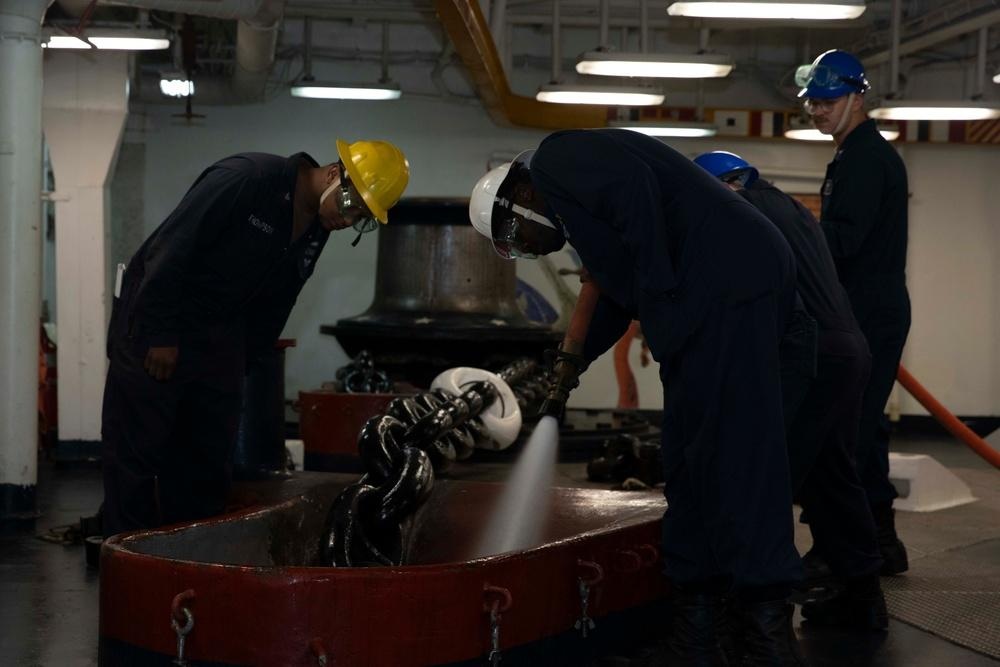
The chain stopper should be kept in good working order and regularly cleaned of rust and painted. The lips at the top and bottom of the anchor chain cylinder are prone to wear; their wear should be checked regularly, and welding and polishing should be performed during ship repairs. During regular inspections, all anchor chains in the anchor chain compartment should be emptied and cleaned. The drainage system of the anchor chain compartment should be checked for proper functioning. Damaged wooden pads should be replaced. The anchor chain compartment should be derusted and painted. The chain release device should be checked for proper functioning.