Marine winches are essential pieces of deck machinery used on cargo ships, passenger vessels, tugboats, offshore support vessels, and many other types of ships.
Depending on their design and application, marine winches can be used to handle mooring lines, deploy and recover anchors, support towing operations, or raise and lower accommodation ladders. Selecting the right winch can improve operational efficiency, protect onboard equipment, and enhance crew safety.
Marine winches can generally be classified in two ways: by application and by power source.
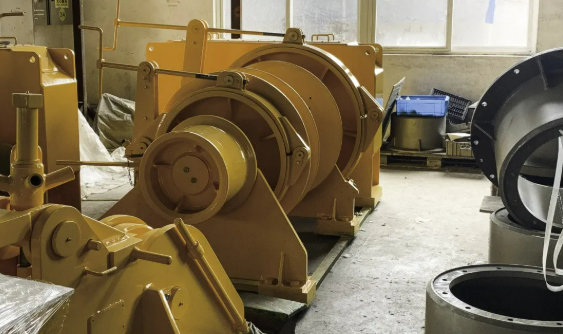
A mooring winch is used to handle ropes or wire lines when a vessel is berthing, leaving port, or remaining secured alongside a quay.
By winding in or paying out the mooring line, the winch helps control the vessel’s position and maintain appropriate line tension. Most commercial ships are equipped with mooring winches, although the configuration and pulling capacity vary according to vessel size and operational requirements.
Mooring winches may be supplied as standalone units or combined with windlasses and other deck machinery.
Typical applications include:
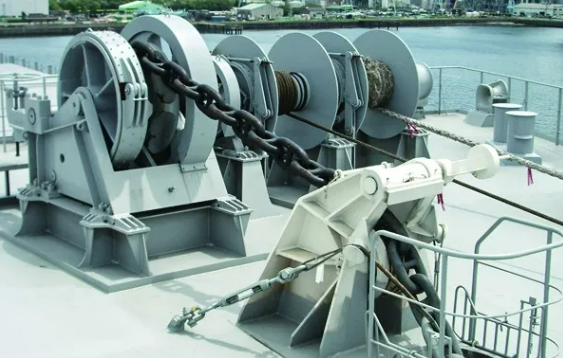
An anchor windlass is a major piece of deck machinery designed to deploy and recover a vessel’s anchors and anchor chains.
Windlasses are commonly installed on the forward main deck, although some vessels may also have anchoring equipment at the stern. They allow the crew to control the anchor chain safely during anchoring and weighing-anchor operations.
An anchor windlass may be combined with mooring drums or warping heads, allowing one unit to support both anchoring and mooring operations.
Important selection factors include:
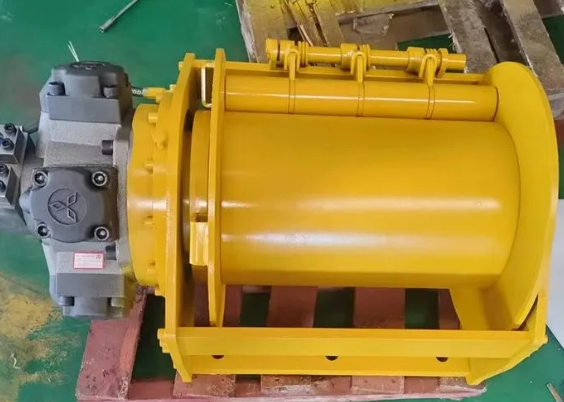
Towing winches are designed for vessels that conduct towing operations, such as tugboats, offshore support vessels, and specialized workboats.
A towing winch controls the deployment, recovery, and tension of the towing line. Because towing loads can change suddenly, these winches must provide reliable braking, effective load control, and dependable operation under demanding conditions.
The required pulling capacity depends on the vessel’s bollard pull, towing arrangement, operating environment, and intended application.
Common features may include:
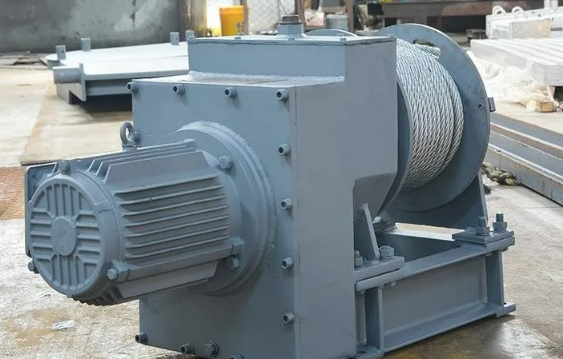
An accommodation ladder winch is used to raise and lower a vessel’s accommodation ladder or gangway, providing safe access between the ship and shore.
These winches usually operate intermittently and are designed for controlled lifting and lowering. Depending on the vessel’s requirements, accommodation ladder winches may be electrically, pneumatically, or hydraulically driven.
Reliable braking and smooth operation are particularly important for protecting personnel during ladder deployment and recovery.
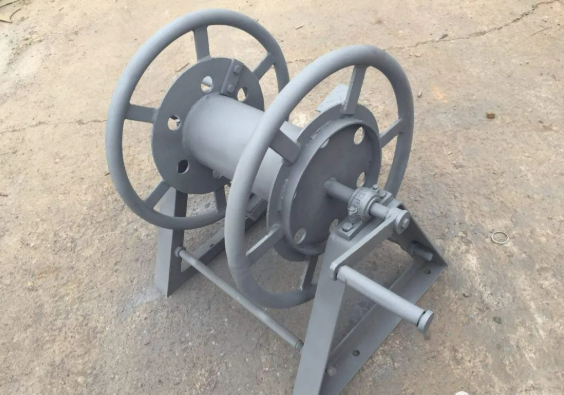
A manual winch is operated by hand, typically through a crank and gear mechanism. Rotating the crank winds or releases the rope or wire on the drum.
Manual winches have a relatively simple structure and do not require an external power supply. They are generally suitable for light-duty operations, smaller vessels, or emergency use.
Main advantages:
However, manual winches are not ideal for frequent operations or heavy loads because they depend on physical effort.
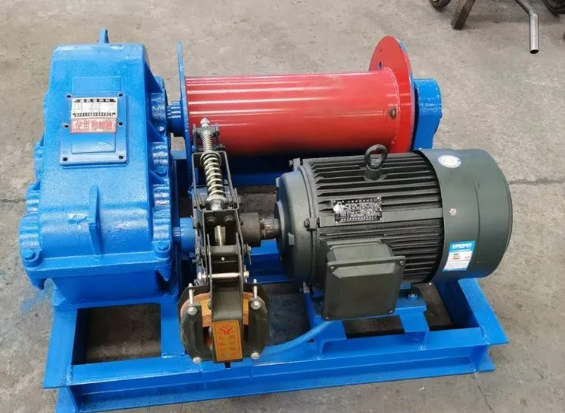
An electric winch uses an electric motor to drive the drum. It offers convenient operation, stable performance, and relatively straightforward installation and maintenance.
Electric winches are widely used for mooring, lifting, ladder handling, and other deck operations. They are particularly suitable for vessels with an accessible and reliable electrical power supply.
Main advantages:
When selecting an electric winch, customers should consider the vessel’s power supply, required pulling force, working speed, duty cycle, and environmental protection requirements.
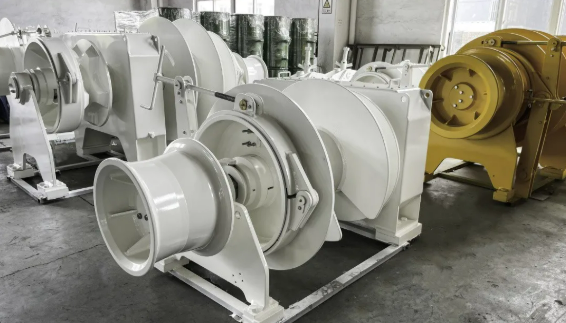
An electro-hydraulic winch uses an electric motor to power a hydraulic system, which then drives the winch.
Hydraulic systems can provide substantial pulling force, smooth speed control, and reliable performance under demanding working conditions. For this reason, electro-hydraulic winches are commonly used aboard larger vessels, tugboats, and offshore ships.
Main advantages:
Electro-hydraulic winches generally require more supporting equipment and maintenance than standard electric winches, including hydraulic pumps, piping, valves, and oil tanks.
Selecting a marine winch involves more than choosing between electric and hydraulic power. The equipment must be matched to the vessel, application, operating environment, and applicable marine standards.
Before selecting a winch, customers should confirm several key parameters:
Environmental factors should also be considered. Marine winches operate in humid and corrosive conditions, so suitable materials, protective coatings, sealing, and maintenance arrangements are essential for dependable long-term performance.
Marine winches play an important role in handling heavy loads, securing vessels, managing anchors, and supporting towing and access operations.
Choosing a suitable winch for each application can improve deck-operation efficiency, reduce equipment wear, and help protect crew members during demanding operations.
As a one-stop marine equipment supplier, Sinooutput provides marine winches and related deck machinery for different vessel types and project requirements. Our team can assist customers with equipment selection, technical confirmation, inspection, and shipment coordination.
Contact Sinooutput to discuss your marine winch requirements and find a suitable solution for your vessel.