Marine gearboxes are essential components in the powertrain of vessels, connecting the engine to the propeller shaft, enabling efficient propulsion. They are exposed to harsh marine environments, heavy loads, and continuous use, making proper maintenance and care crucial to ensure their longevity and optimal performance. This article explores the best practices for maintaining and servicing marine gearboxes, helping to prevent breakdowns and reduce costly repairs.
1.The Importance of Regular Gearbox Maintenance
Marine gearboxes face constant strain due to the demanding operational conditions at sea. Factors such as high torque, exposure to saltwater, temperature fluctuations, and vibration can accelerate wear and tear if not properly managed.
Regular maintenance is essential to:
-
Prevent sudden breakdowns: Ensuring the gearbox runs smoothly, without interruptions.
-
Increase the lifespan: Proper lubrication and timely inspections can extend the life of the gearbox.
-
Improve efficiency: A well-maintained gearbox ensures smoother power transfer, leading to better fuel efficiency and overall vessel performance.
-
Minimize downtime and repair costs: By catching issues early, major breakdowns and costly repairs can be avoided.
2.Key Components of a Marine Gearbox
Before delving into maintenance tips, it's important to understand the key components that make up a marine gearbox:
-
Gears: The main components that transfer power from the engine to the propeller shaft.
-
Bearings: Support the shafts and reduce friction as the gears rotate.
-
Oil pump: Circulates lubricant to minimize wear and cooling.
-
Seals: Prevent the leakage of lubricants and entry of contaminants.
-
Clutches and shaft couplings: Help engage or disengage the gear system and transfer torque.
3.Maintenance Tasks for Marine Gearboxes
1) Lubrication System Care
Proper lubrication is critical to gearbox health. The lubrication system prevents metal-to-metal contact, reduces friction, and dissipates heat. Here are essential tasks for maintaining the lubrication system:
-
Check oil levels regularly: Low oil levels can lead to excessive wear and overheating. Always ensure the oil is at the recommended level as specified by the manufacturer.
-
Change oil periodically: Over time, the oil loses its lubricating properties and may accumulate contaminants. Follow the manufacturer’s recommended oil change interval (usually every 1,000-1,500 operating hours or annually).
-
Inspect the oil filter: Replace the oil filter at the recommended intervals to ensure the oil remains clean and free from debris that could damage the gears.
-
Use the right oil type: Ensure the oil meets the specific grade and viscosity recommended for marine gearboxes to prevent operational inefficiencies.
2) Inspecting Gear Teeth and Bearings
Inspecting the gears and bearings is vital for detecting early signs of wear. Here's how you can perform regular inspections:
-
Visual checks: Look for any visible signs of wear, pitting, cracks, or corrosion on the gears and bearings. This can indicate contamination or poor lubrication.
-
Sound checks: Listen for abnormal sounds like grinding or whining, which could indicate that the gears are misaligned or damaged.
-
Bearing play: Check the bearing play by rotating the shaft and ensuring that there is no abnormal movement. Excessive play can lead to misalignment and accelerated wear.
-
Cleanliness: Ensure that the gearbox is free of contaminants, such as water, dirt, and salt, that can cause corrosion or affect the oil’s performance.
3) Check for Leaks and Seal Integrity
Seals prevent the leakage of lubricant and the entry of contaminants. Over time, seals can deteriorate and cause oil leaks, leading to low oil levels and potential damage. Regularly inspect the seals for:
-
Cracks or wear: Seals should be replaced immediately if damaged.
-
Oil leakage: Any oil leakage around the gearbox should be addressed promptly to avoid low oil levels.
-
Condition of O-rings and gaskets: These components should be checked for signs of wear and replaced during routine maintenance.
4) Monitor Temperature and Vibration Levels
Marine gearboxes should operate within specific temperature and vibration ranges. Excessive heat or vibrations can indicate underlying problems and lead to rapid deterioration.
-
Monitor gearbox temperature: High temperatures can indicate problems such as insufficient lubrication or excessive load. If the temperature exceeds the normal operating range, investigate the cause immediately.
-
Check vibration levels: Abnormal vibrations can indicate misalignment or imbalance. Vibration monitoring devices can be installed for real-time feedback during operation.
4.Troubleshooting Common Gearbox Issues
Despite regular maintenance, gearboxes may occasionally experience problems. Early detection can help prevent major failures. Common gearbox issues and their possible causes include:
1) Gear Slippage or Difficulty Engaging
This can occur due to:
-
Low oil levels: Insufficient lubrication can lead to improper gear engagement.
-
Worn-out clutches or bearings: These components may need to be replaced if they are no longer functioning correctly.
-
Contaminated oil: Dirty or degraded oil can cause friction, making it difficult for gears to engage properly.
2) Excessive Noise or Vibration
Possible causes include:
-
Misalignment: Gears or shafts may be misaligned, causing them to wear unevenly or create noise.
-
Worn bearings: Bearings may need to be replaced if they are causing excessive friction or noise.
-
Loose or damaged parts: Ensure all bolts and components are properly secured.
3) Overheating
Overheating can be caused by:
-
Insufficient lubrication: If the lubrication system isn’t functioning properly, friction increases, causing overheating.
-
Blocked oil passages: Dirt or debris in the oil system can block the flow of oil, leading to overheating.
-
Excessive load: Running the gearbox under heavy loads can lead to high temperatures. Ensure the gearbox is not overloaded.
5.When to Replace Your Gearbox
While regular maintenance can significantly extend the life of a gearbox, certain signs indicate that a replacement may be necessary:
-
Severe corrosion: If the gearbox has significant rust or corrosion, it may no longer be repairable.
-
Excessive wear: Over time, gears and bearings can wear down to the point where they cannot function effectively.
-
Persistent operational issues: If troubleshooting and repairs fail to resolve operational problems, it might be time to replace the gearbox.
6.Conclusion: Maximizing the Lifespan of Your Marine Gearbox
Regular maintenance is key to ensuring the longevity and efficient performance of marine gearboxes. By adhering to the following best practices, you can:
-
Prevent unexpected breakdowns and reduce downtime.
-
Maintain optimal fuel efficiency and vessel performance.
-
Increase the lifespan of critical components, reducing the need for costly repairs or replacements.
Remember to:
-
Inspect lubrication systems, gears, bearings, and seals regularly.
-
Monitor operating conditions, including temperature and vibration.
-
Perform troubleshooting early to address issues before they escalate.
By prioritizing gearbox maintenance, you can ensure that your vessel remains reliable and efficient, even in the most demanding maritime environments.
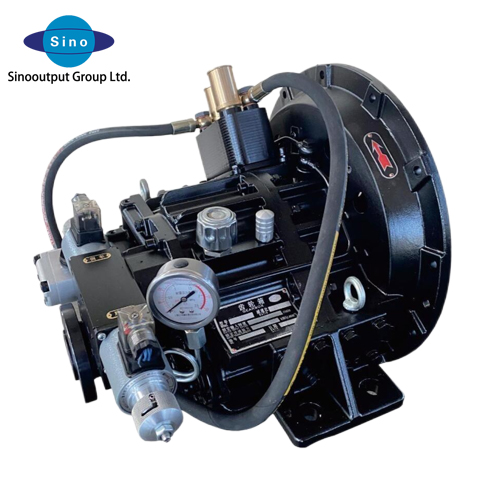
For professional gearbox maintenance services or further guidance on marine gearbox care, feel free to
contact us. Our team of experts is here to help keep your vessel in top condition, ensuring smooth and reliable operations.
See Marine Gearbox details in this link: >> Marine Gearbox <<